Live Dealer Features and Their Impact on Mobile Casino App Navigation
Written by Bianca Vogel · Jul 11, 2026

Live Dealer Features and Their Impact on Mobile Casino App Navigation
Live dealer platforms have expanded significantly in mobile casino applications since their introduction in the early 2010s, and data from 2026 indicates continued growth in user engagement metrics across various operators. Those who've studied user behavior patterns note that real-time video streams require specific interface adjustments to maintain smooth navigation between game lobbies, account sections, and betting controls. Research indicates that apps incorporating live dealer options often reorganize menu structures to accommodate video feeds without overwhelming smaller screens.
Interface Design Adjustments for Live Streams
Developers integrate live dealer interactions through dedicated tabs or floating overlays that users access while browsing other sections of the app. This setup allows simultaneous viewing of tables and quick switches to slots or sports betting areas. According to industry reports from the American Gaming Association, mobile sessions involving live dealers average longer durations than standard digital game play because players remain connected to ongoing rounds. Observers note that navigation efficiency improves when apps use gesture-based controls for minimizing or expanding video windows, reducing the need for multiple taps to return to the main lobby.
Studies from research institutions like the University of Nevada's gaming technology programs show that layout changes, such as side-by-side panels for chat functions and betting options, help prevent users from losing their place during extended sessions. As of July 2026, several platforms reported updates to their mobile interfaces that prioritize swipe gestures for switching between dealer tables, which aligns with broader trends in app usability testing.
User Interaction Patterns and Efficiency Data
Figures from regulatory filings reveal that players frequently alternate between live dealer tables and other features within the same session. This behavior demands efficient back-and-forth navigation tools, including persistent bottom bars or collapsible side menus. Data indicates that apps with streamlined transitions experience higher retention rates, as users avoid frustration from excessive loading times or hidden options. One case examined by analysts involved an operator that introduced quick-access buttons for live chat and balance checks, resulting in measurable decreases in session abandonment during peak hours.
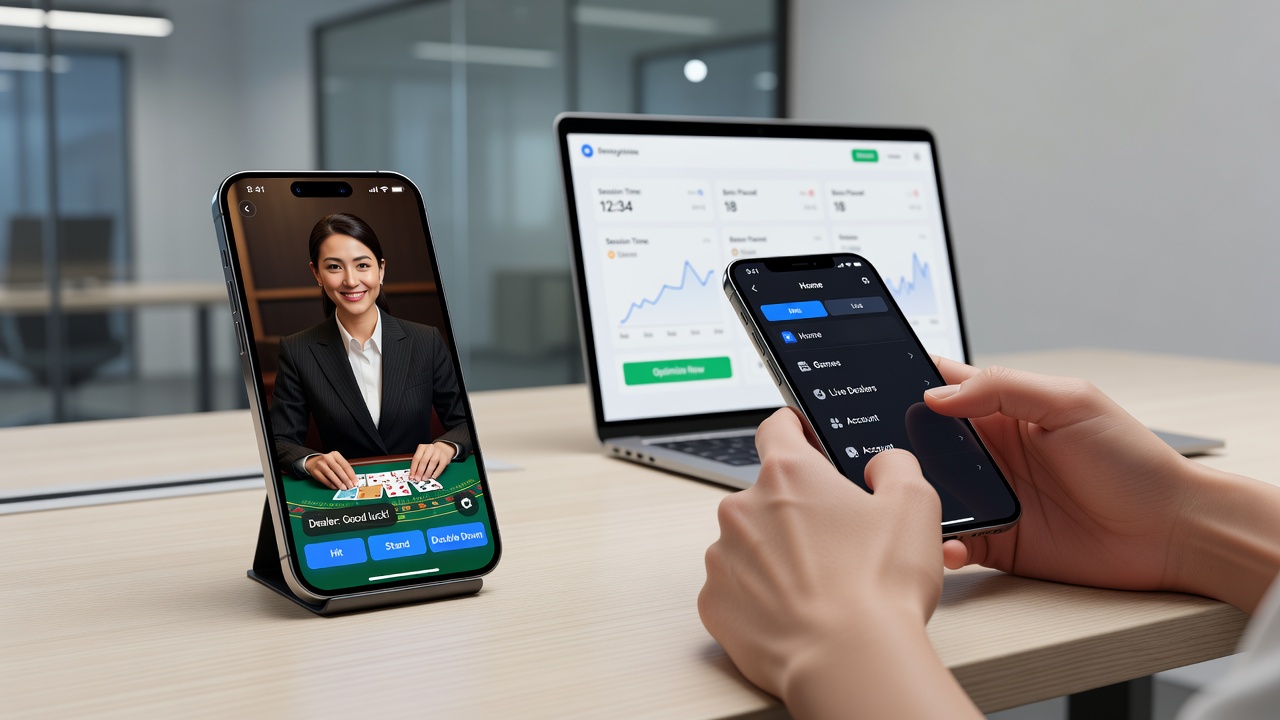
What's interesting is how regional regulations influence these designs, with bodies like the Nevada Gaming Control Board requiring clear separation of live elements from promotional content to ensure compliance. Canadian provincial authorities have similarly emphasized accessible navigation paths in their licensing reviews for mobile platforms. These requirements lead to standardized elements like always-visible exit options from live streams, which in turn support overall app flow.
Technical Considerations in App Development
Engineers balance video streaming demands with navigation responsiveness by optimizing background processes and preloading adjacent screens. Evidence suggests that poor integration of live dealer feeds can increase latency when users attempt to open account settings or deposit pages mid-session. Reports from the European Gaming and Betting Association highlight testing protocols that measure navigation speed across devices, with successful implementations showing sub-second response times even during high-traffic events. And developers often employ modular code structures that allow live features to operate independently from core menu systems.
Take one developer team that incorporated predictive loading for frequently accessed live tables based on user history, which reduced navigation steps in subsequent visits. Such approaches appear in multiple platforms as operators respond to competition in the mobile space. Those who've examined performance benchmarks note that efficient navigation supports higher volumes of simultaneous live interactions without compromising stability.
Regulatory and Industry Influences
Approval processes for mobile casino software often include evaluations of how live dealer components affect overall usability. Australian regulatory frameworks, for instance, require documentation on navigation pathways to confirm that users can easily access responsible gaming tools during live sessions. These standards encourage features like one-tap access to session timers or limit settings that integrate directly with dealer interfaces. Industry organizations track these developments through annual surveys that compare navigation metrics before and after software updates.
Links to external resources provide additional context on these topics. The American Gaming Association publishes reports on mobile gaming trends, while academic papers from institutions such as the University of Nevada detail technical evaluations of app interfaces. Observers note that cross-border operators adapt their designs to meet varying regional expectations around live feature integration.
Conclusion
The relationship between live dealer interactions and mobile app navigation continues to evolve as platforms refine their tools based on usage data and compliance needs. Patterns observed through 2026 demonstrate that thoughtful interface adjustments can enhance efficiency without sacrificing the immersive elements of real-time dealer experiences. Researchers continue to monitor these developments across different markets to identify effective practices that support both player engagement and operational requirements.