Mobile Platforms Transform Real-Time Dealer Table Interactions
Written by Bianca Vogel · Jul 23, 2026
Mobile Platforms Transform Real-Time Dealer Table Interactions
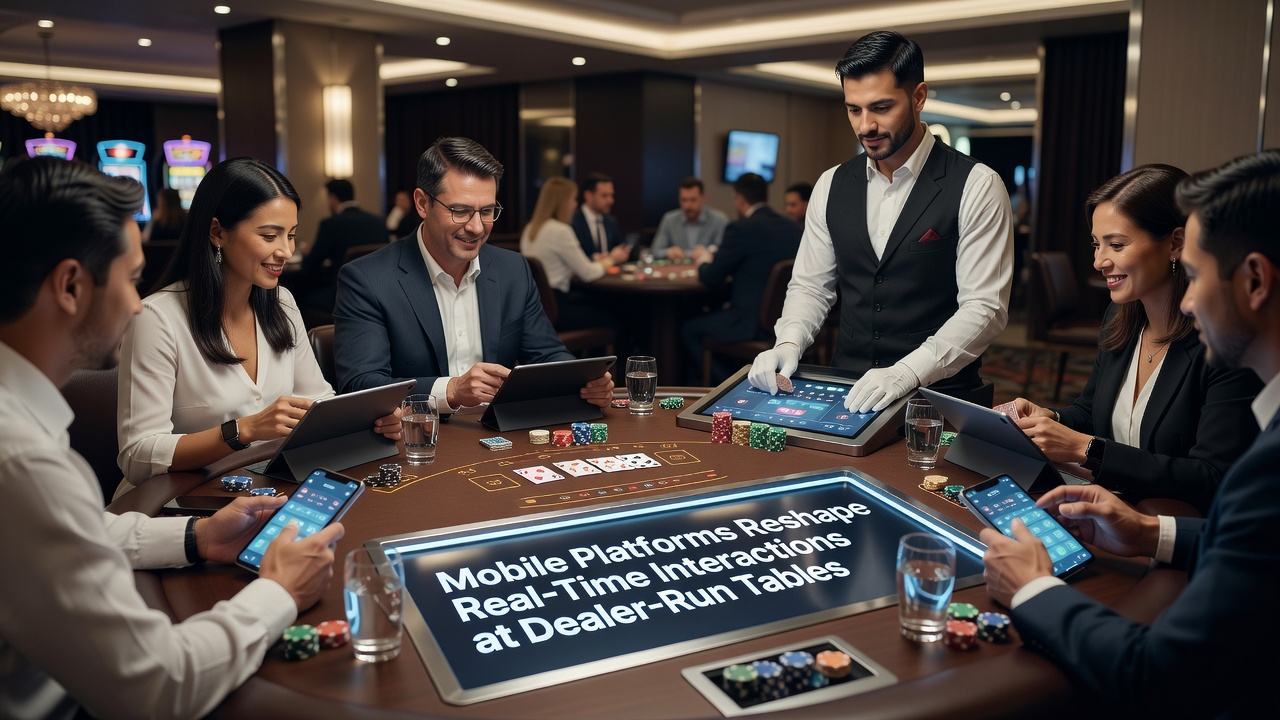
Mobile platforms have begun to alter how players connect with dealer-run tables in physical casinos and integrated online environments, where video feeds and instant response systems link remote participants directly to live action. These systems combine smartphone interfaces with high-definition streams, enabling participants to place wagers, receive card updates, and communicate through text overlays while a dealer handles physical cards and chips at the table. Data from regulatory filings indicate that adoption rates climbed steadily through mid-2026, driven by improvements in latency reduction and device compatibility across major operating systems.
Technical Foundations Behind the Shift
Developers integrate low-latency video protocols with secure transaction layers so that mobile users experience synchronized gameplay without noticeable delays between dealer movements and screen updates. Research indicates that compression algorithms now support 1080p streams at under 100 milliseconds round-trip times on standard 5G networks, a threshold that maintains the flow of real-time decisions. Observers note that hardware acceleration on newer chipsets further reduces processing overhead, allowing simultaneous display of multiple table angles and player statistics without draining battery reserves quickly.
Authentication modules verify user location and age before granting access to live sessions, satisfying requirements set by state gaming authorities. These checks occur in background processes while the app maintains continuous video contact with the dealer area, preventing interruptions during card shuffles or payouts.
Changes in Player- Dealer Communication Patterns
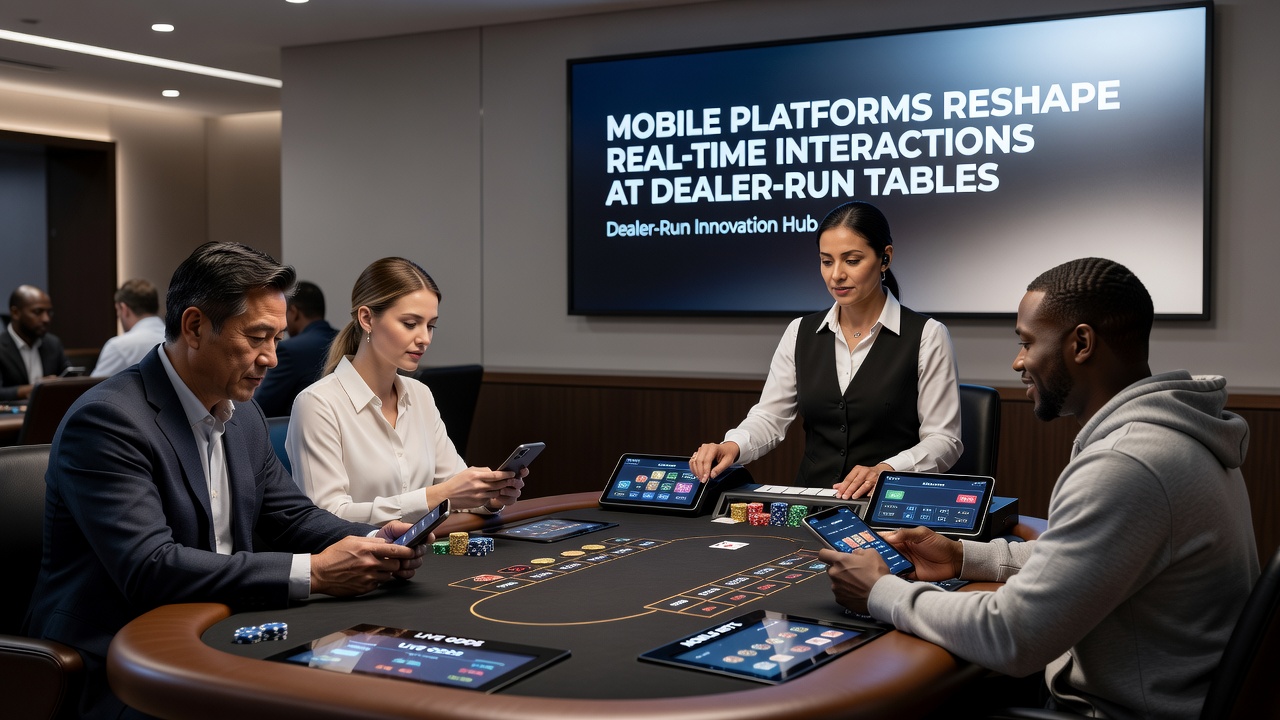
Participants now send predefined gestures or short messages that appear on dealer monitors, replacing older verbal exchanges limited by microphone quality. Studies from industry testing labs show response times for these digital signals average 1.2 seconds, comparable to in-person table talk once network conditions stabilize. Dealers adapt by acknowledging on-screen prompts through visible nods or verbal confirmations captured by table cameras, preserving the social element even when players sit hundreds of miles away.
Multi-table functionality lets one user monitor several dealer stations from a single device, switching focus with simple taps while maintaining active bets on each. Figures released in July 2026 by the Nevada Gaming Control Board revealed a 27 percent rise in concurrent mobile sessions at licensed properties compared with the prior year, reflecting both increased device penetration and refined user interfaces.
Regulatory and Security Considerations
Agencies such as the Nevada Gaming Control Board require encrypted channels for all mobile-to-table data flows, including bet confirmations and payout notifications. Compliance audits examine whether apps correctly display minimum and maximum wager limits that match the physical table setup. Operators must also log every interaction timestamp to allow reconstruction of disputes within 72 hours of a session ending.
Canadian regulators, including those under iGaming Ontario frameworks, apply similar standards while adding periodic penetration testing for mobile codebases. These evaluations focus on preventing overlay attacks that could alter displayed card values mid-hand. Evidence from certification reports shows that platforms passing such tests maintain separate verification layers for video integrity and financial transactions.
Operational Impacts on Casino Floors
Dealers receive training on recognizing digital signals alongside traditional verbal cues, which reduces miscommunication incidents reported by floor supervisors. Properties in Atlantic City and Las Vegas have adjusted staffing models to accommodate extended hours for mobile-only tables that run alongside in-person seating. Turnaround between rounds remains consistent because automated shuffling machines handle card resets while dealers focus on visual confirmations from remote users.
One facility in Pennsylvania documented a 19 percent increase in table utilization after introducing mobile interfaces that allow waiting-list players to join virtually during peak periods. This approach distributes demand across both physical and remote channels without expanding square footage.
Future Developments Expected by Late 2026
Engineers continue testing augmented overlays that highlight probable outcomes based on visible card counts, though regulatory approval for such features varies by jurisdiction. Integration with wearable devices could further shorten the distance between player intent and dealer action, yet current standards emphasize screen-based confirmation to avoid accidental gestures. Industry associations track these pilots through shared technical working groups that meet quarterly.
Conclusion
Mobile platforms continue to integrate with dealer-run tables through refined video, authentication, and communication tools, supported by data collected across multiple regulatory regions. Continued monitoring by bodies such as the Australian Gambling Research Centre provides comparative benchmarks on session lengths and dispute frequencies. These measurements help operators adjust protocols while preserving the core sequence of dealer actions and participant decisions that define live table play.