Player Retention Shifts Mark Mobile Wagering Growth
Written by Xander Lang · Jul 16, 2026
Player Retention Shifts Mark Mobile Wagering Growth
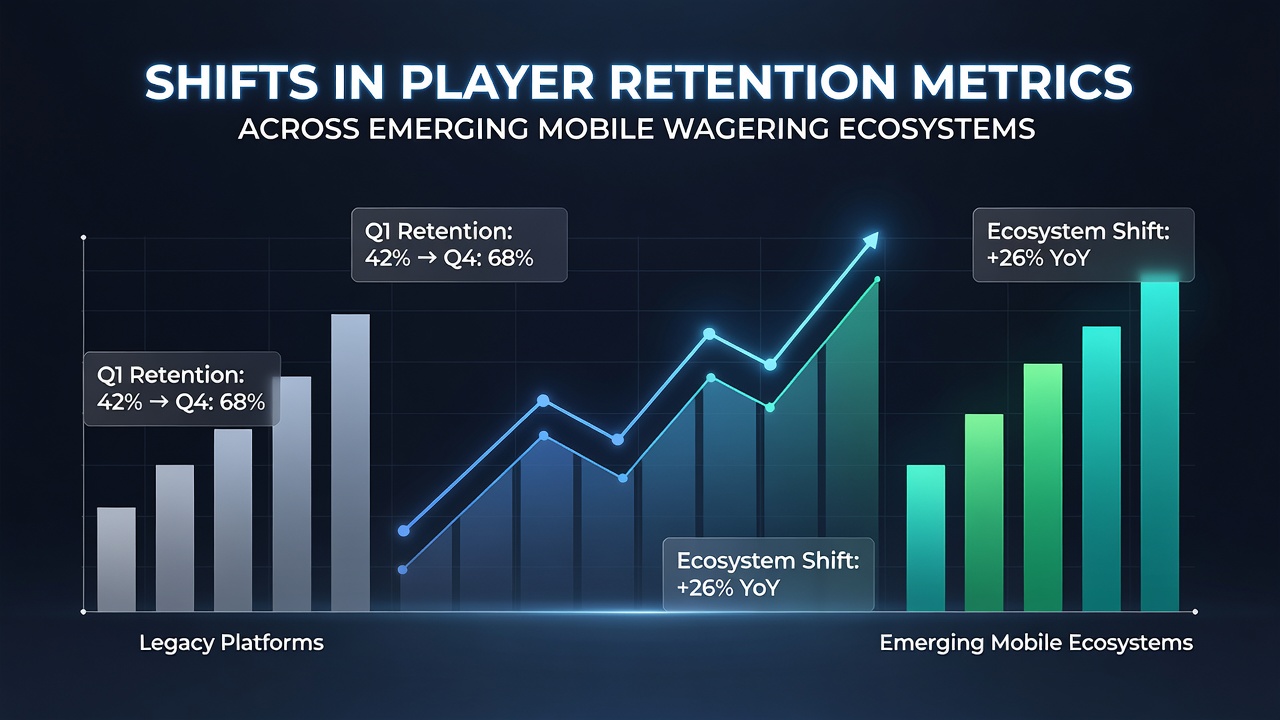
Emerging mobile wagering ecosystems continue to experience notable changes in how long players stay active on platforms, with data from multiple regions revealing patterns that operators track closely. Retention metrics, which measure repeat engagement over days, weeks, and months, have shifted as new markets open and existing ones mature. Observers note that these shifts often tie directly to regulatory changes, feature updates, and competition from fresh entrants.
Regional Data Patterns Reveal Divergent Trends
Figures from the New Jersey Division of Gaming Enforcement show that daily active users in mobile sportsbooks maintained steady retention through early 2026, yet weekly retention rates dipped slightly compared to the prior year. Operators attribute part of this movement to seasonal factors and adjustments in bonus structures. Meanwhile, data from the Ontario Lottery and Gaming Corporation indicates stronger month-over-month retention in that province's iGaming sector, particularly among users who engage with integrated prediction features.
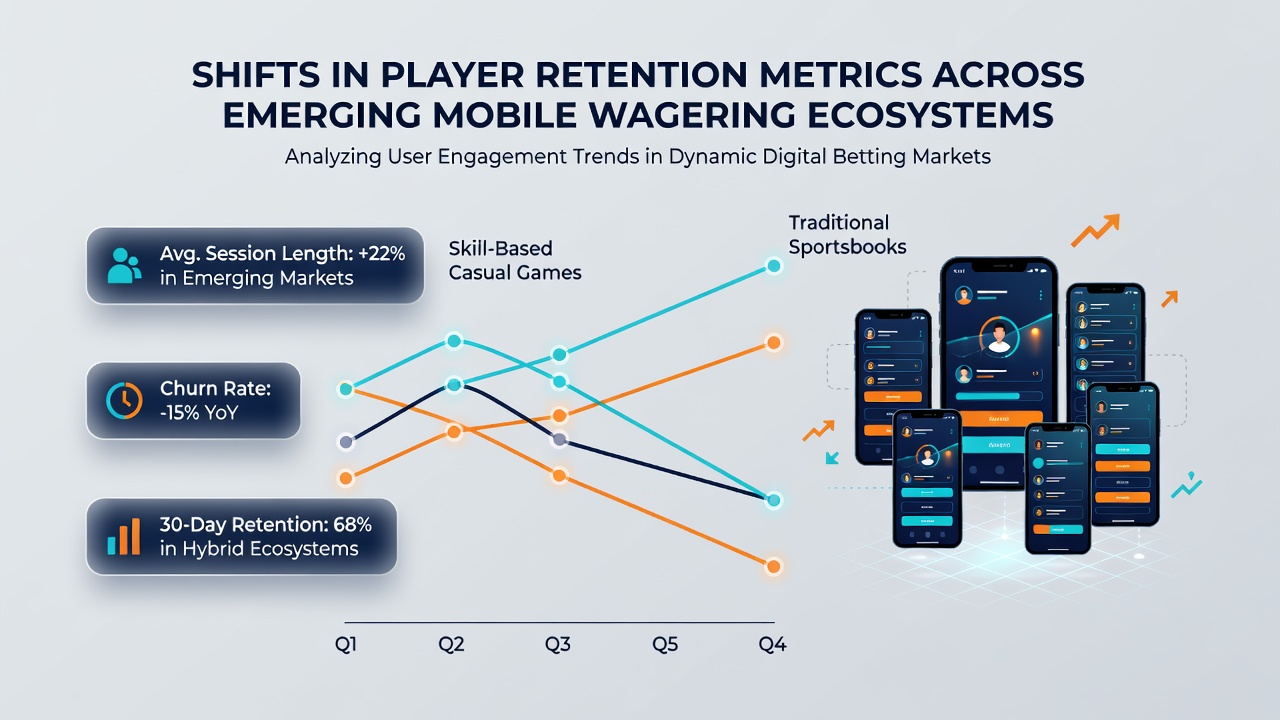
Analysts tracking these markets point out that platforms introducing personalized push notifications and loyalty tiers often see improved 30-day retention. One study released in July 2026 by a North American research consortium highlighted how users who receive tailored game recommendations return at rates 12 percent higher than those who do not. The report examined anonymized datasets across several operators and found that retention curves flatten more quickly when friction points like lengthy verification processes remain in place.
Feature Adoption Influences Long-Term Engagement
Retention in emerging ecosystems frequently correlates with the speed at which platforms roll out live betting and in-play options. Markets that launched mobile wagering after 2023 tend to prioritize these tools early, resulting in higher 90-day retention among users who place at least five in-play wagers. Data indicates that players who explore multiple verticals, such as sports and casino games within the same app, demonstrate longer session lengths and return visits.
What's interesting is how operators balance acquisition spend against retention outcomes. Several platforms have adjusted welcome offers to emphasize ongoing rewards rather than large upfront bonuses, and preliminary numbers suggest this approach sustains activity beyond the first month. Researchers have observed that users acquired through referral programs often post stronger retention figures than those coming from broad advertising campaigns, though the gap narrows once players accumulate a certain number of deposits.
Regulatory Adjustments Shape User Behavior
Changes in responsible gambling tools have also affected retention curves in some jurisdictions. When mandatory deposit limits or reality checks became standard, certain cohorts showed reduced activity in the short term before stabilizing. Platforms that integrated these features seamlessly into the user journey rather than as separate pop-ups tended to experience less disruption in engagement metrics.
Take the case of one operator in a newly regulated Canadian province that introduced voluntary time-out options alongside reward progress bars. Retention among users who activated these controls remained comparable to the overall average, suggesting that well-designed safeguards need not reduce long-term activity. Data from similar implementations in Australia points to parallel outcomes, where players who set personal limits continued to wager at consistent intervals.
Technological and Competitive Pressures
Competition among emerging platforms has led to rapid iteration in user interface design, which in turn influences retention. Faster load times, simplified navigation, and integrated wallet systems appear to reduce drop-off rates during the critical first seven days after registration. Observers tracking July 2026 performance metrics noted that apps updating their core architecture during that period recorded measurable lifts in both day-one and day-seven retention.
Yet retention gains from technology can prove temporary when competitors match those improvements quickly. This dynamic has prompted several operators to focus on content variety, including exclusive game titles and localized sports markets, as a longer-term strategy. Evidence suggests that players who access region-specific content return more frequently than those limited to generic offerings.
Conclusion
Shifts in player retention metrics across emerging mobile wagering ecosystems reflect a combination of regulatory, technological, and competitive factors. Data continues to evolve as more jurisdictions finalize rules and operators refine their approaches. Those monitoring these trends will likely watch how retention responds to further feature experimentation and market consolidation in the months ahead.