Progressive Jackpot Network Transformations Across International Slot Platforms
Written by Noah Ludwig · Jun 8, 2026
Progressive Jackpot Network Transformations Across International Slot Platforms
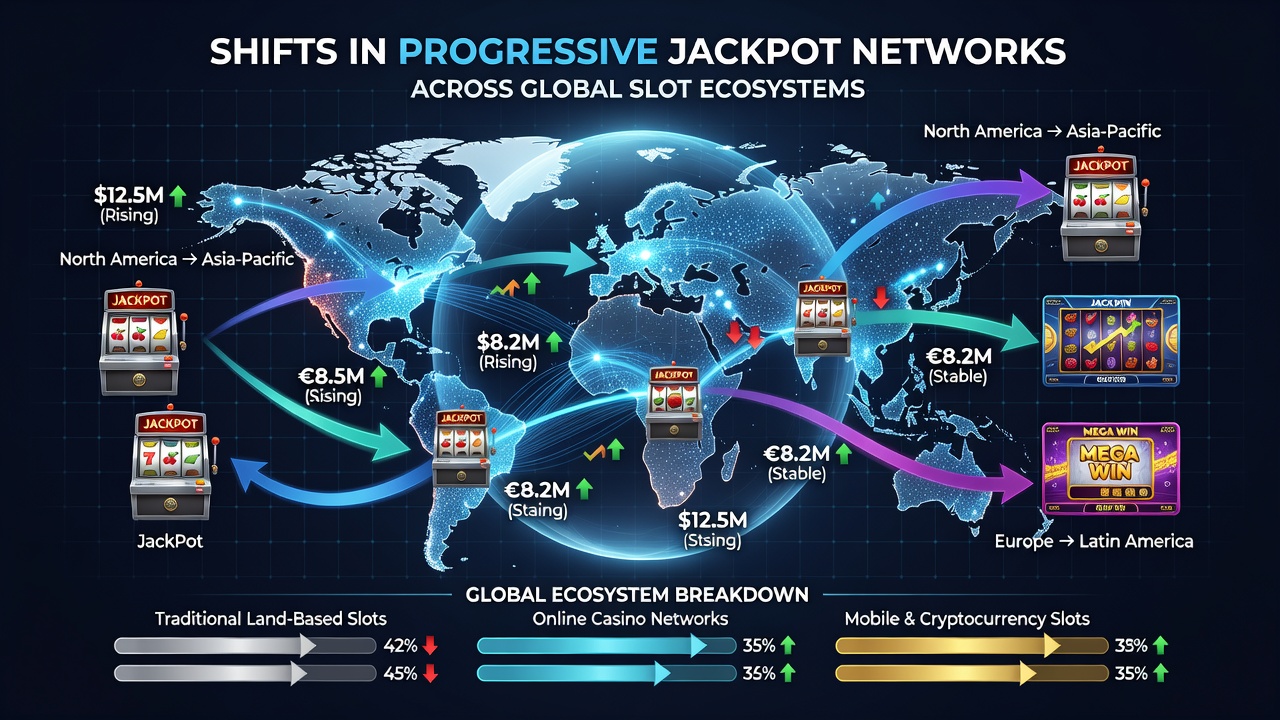
Progressive jackpot networks have undergone measurable expansions and consolidations in recent years as operators link machines across multiple jurisdictions and platforms, and data from regulatory filings indicate that pooled prize pools reached record levels by early 2026. Those who've tracked these developments note that the integration of land-based and digital systems accelerated after 2023, while cross-border agreements allowed smaller venues to participate in larger prize structures without maintaining separate local pools.
Network Architecture Changes in Major Markets
Operators in North America adjusted their configurations to accommodate new state-level approvals, and figures from the Nevada Gaming Control Board show that linked progressive systems accounted for 18 percent of total slot revenue in teh first quarter of 2026. Similar patterns emerged in Australia where venue groups consolidated under fewer network providers, resulting in fewer but larger prize tiers that reset less frequently. European markets followed a comparable trajectory although licensing requirements varied by country and created staggered rollout timelines.
One study released by researchers at the University of Nevada Reno examined how these linkages affect payout frequencies, and the analysis revealed that multi-state networks produced higher average jackpots but lower hit rates per individual machine compared with standalone progressives. Casino groups responded by adjusting contribution percentages from each wager, which stabilized pool growth rates across the connected ecosystems.
Technological Integration Driving Connectivity
Software platforms now support real-time synchronization between thousands of terminals, and this capability allowed networks to span both physical casinos and online environments without latency issues that previously limited expansion. Providers introduced modular systems that let operators add or remove machines from a shared pool on short notice, and data indicates this flexibility reduced downtime during maintenance windows.
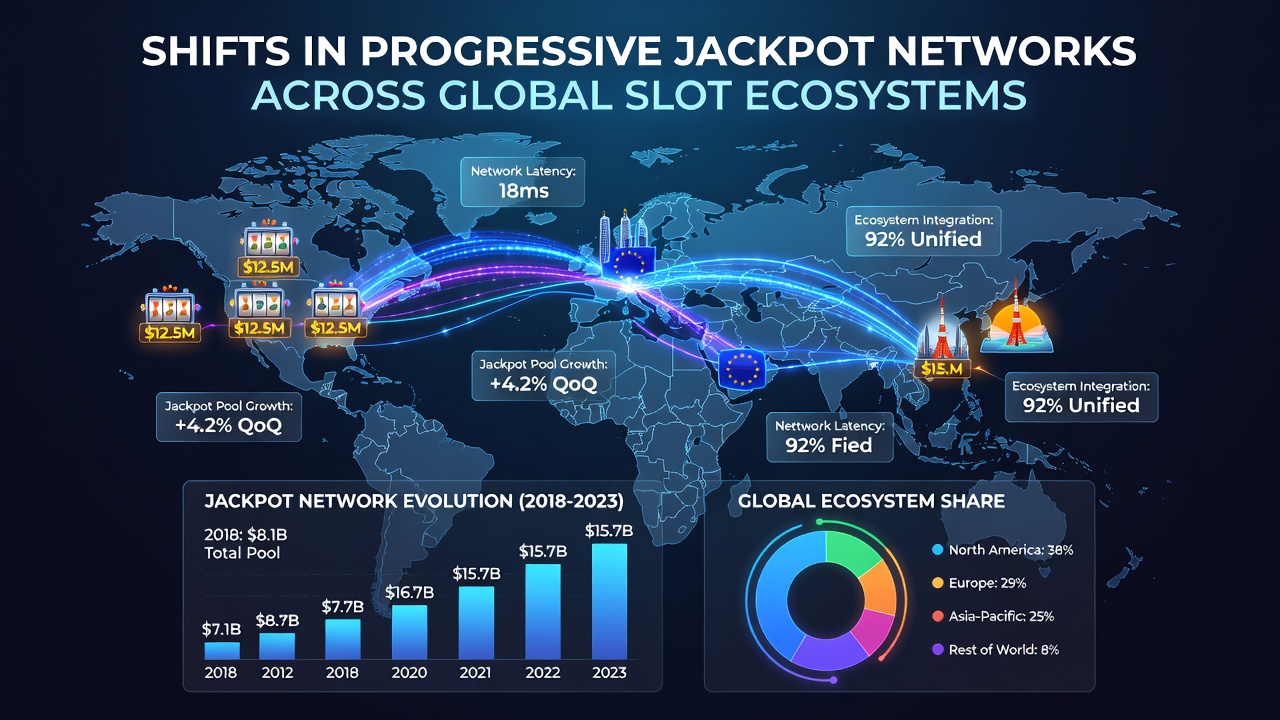
Take one operator in Atlantic City that migrated its entire progressive floor to a cloud-based management system in March 2026; the transition enabled participation in a nationwide pool while maintaining compliance with local tax reporting. Observers note that similar upgrades occurred in Canadian provinces where regulatory bodies required detailed audit trails for every contribution to the shared jackpot.
Regional Variations and Regulatory Influences
Asia-Pacific markets displayed distinct patterns because several jurisdictions maintained strict separation between domestic and international player pools, and this separation produced multiple parallel networks rather than single unified systems. Australian data released in May 2026 showed that state-level caps on maximum prizes influenced how operators structured their linkages, often resulting in tiered progressives capped at different thresholds.
Yet operators in emerging markets pursued broader connections, and reports from the Canadian Gaming Association documented a 27 percent increase in cross-province jackpot participation between 2024 and 2026. Those figures reflect both technological readiness and policy shifts that permitted wider pooling arrangements.
Player Participation Trends Through Mid-2026
Participation metrics collected through June 2026 demonstrate that players gravitated toward networks offering the largest advertised jackpots, even when individual machines carried higher house edges. Industry reports indicate that marketing campaigns emphasizing network size rather than individual game features drove much of this behavior, and operators adjusted promotional budgets accordingly.
One case in Illinois involved a venue that joined a multi-state network in April 2026 and recorded a 14 percent rise in slot handle within the first six weeks, according to state gaming board summaries. Similar outcomes appeared in other regions where operators publicized the expanded prize potential through digital displays and mobile notifications.
Conclusion
Progressive jackpot networks continue to consolidate across global slot ecosystems as technology and regulation converge, and current patterns suggest further integration will occur as additional jurisdictions finalize connectivity standards. Data from multiple regulatory sources confirm that these shifts have already altered prize distribution mechanics and operator strategies in measurable ways, while player engagement remains tied to the scale of available pools rather than isolated game attributes.