Regulatory Pathways Shaping Prediction Market Integration in Mobile Wagering Platforms
Written by Zoe Hansen · Aug 10, 2026
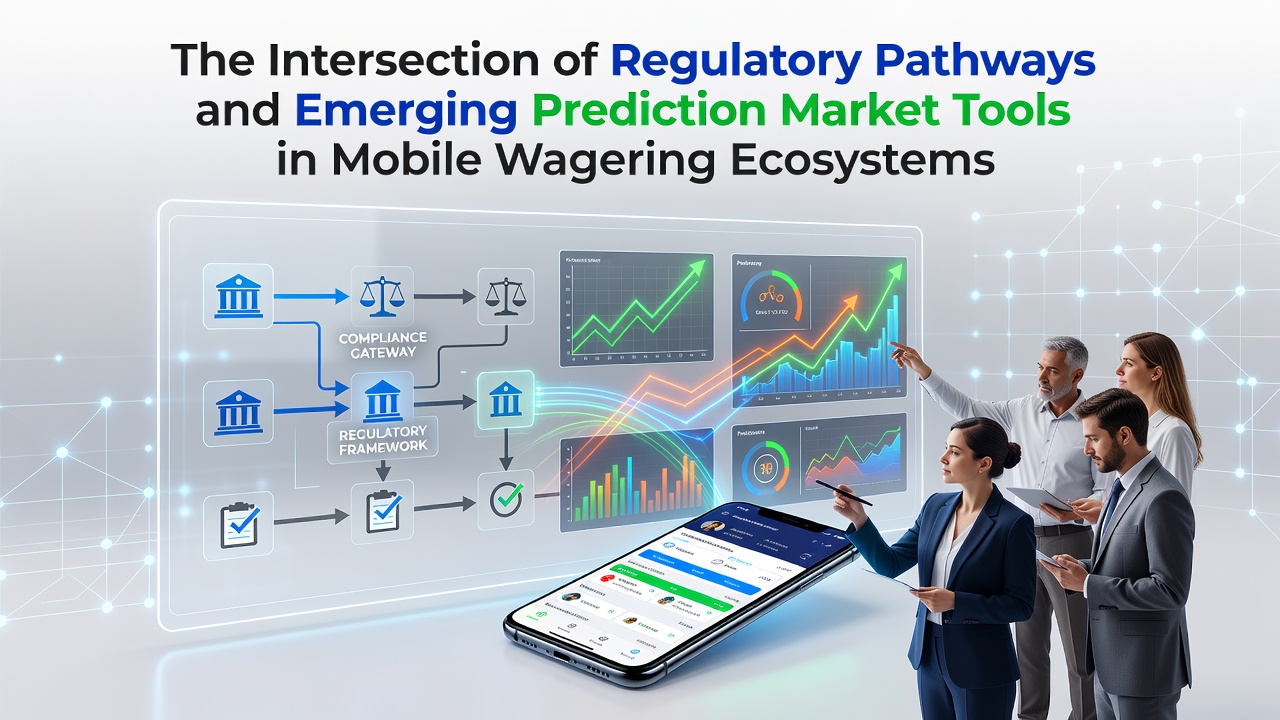
Regulatory Pathways Shaping Prediction Market Integration in Mobile Wagering Platforms
Regulatory bodies across multiple jurisdictions have begun mapping clear approval routes for prediction market features inside mobile wagering applications, with developments accelerating through the first half of 2026. State-level gaming commissions and federal agencies coordinate on frameworks that distinguish event contracts from traditional sports wagers, creating layered review processes that companies must navigate before launching new tools.
Core Regulatory Structures Guiding Mobile Prediction Features
Agencies such as the Commodity Futures Trading Commission evaluate event-based contracts under existing derivatives rules, while state regulators assess consumer protection standards and licensing requirements for operators seeking to embed these features in apps. Data from August 2026 shows several platforms submitting joint applications that combine CFTC no-action letters with state-level iGaming permits, streamlining deployment across borders. Observers note that this dual-track approach reduces duplication yet demands extensive documentation on market integrity and user verification protocols.
European authorities outside the United Kingdom have introduced similar guidelines through national gambling authorities in countries like Malta and Sweden, requiring operators to demonstrate that prediction tools maintain separation from prohibited activities. Research indicates these rules emphasize real-time monitoring systems and transparent pricing mechanisms, which developers incorporate directly into mobile codebases during the design phase.
Technical Tools Emerging at the Regulatory Intersection
Developers now embed algorithmic risk-scoring engines that flag unusual trading patterns in prediction markets before they reach mobile users. These systems draw on historical data sets to predict potential manipulation, satisfying both CFTC oversight and state-level audit demands. Integration occurs through API connections that feed compliance reports directly to regulators, allowing continuous oversight without manual intervention.
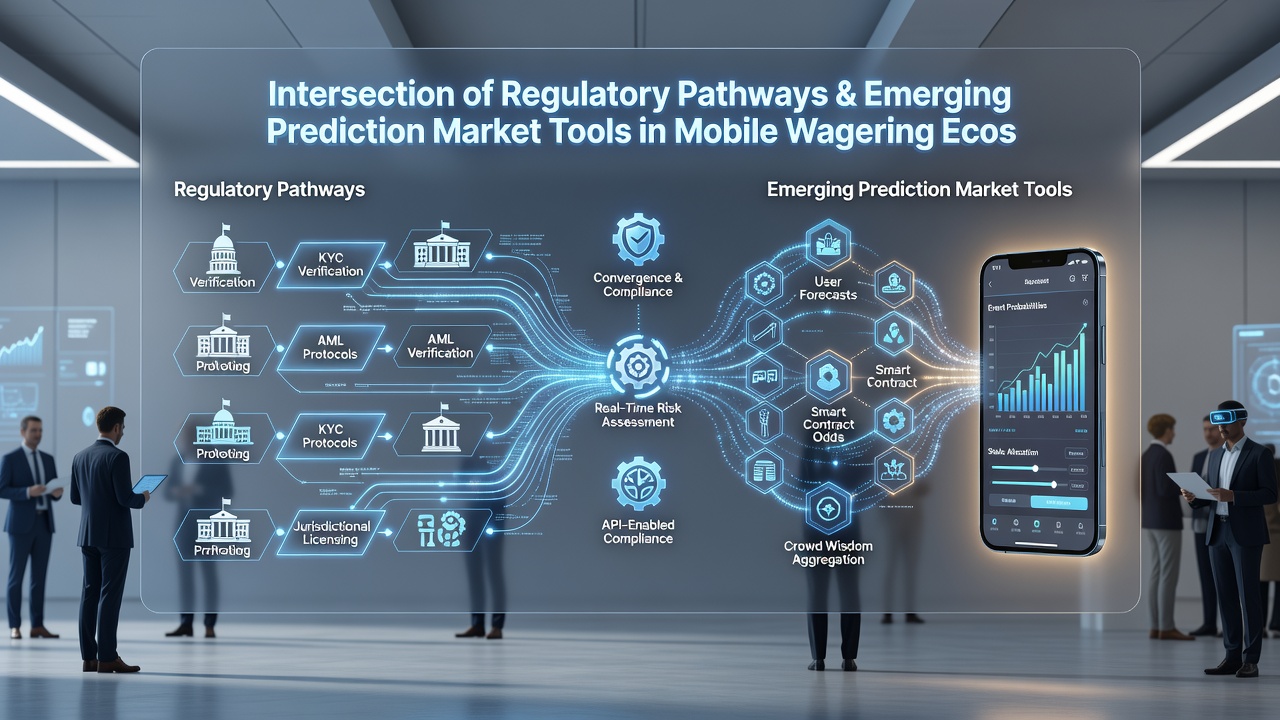
One operator in Ontario recently linked its mobile prediction interface to the provincial gaming regulator's reporting portal, enabling automated submission of volume and settlement statistics. Similar initiatives appear in Australian states where digital wagering licenses now explicitly reference event contract functionality. Companies that align their software architecture with these reporting standards encounter fewer delays during renewal cycles.
Case Examples of Approved Deployments
Platforms that secured early approvals in 2025 have since expanded their prediction offerings into additional markets by leveraging existing regulatory pathways. Take the example of a Midwest operator that obtained CFTC clearance for political and economic event contracts, then used that documentation to fast-track state approvals in two neighboring jurisdictions. Figures reveal transaction volumes grew steadily through summer 2026 without triggering enforcement actions.
Canadian provincial frameworks provide another model where operators must conduct independent audits of prediction market algorithms before mobile rollout. Those audits focus on liquidity management and conflict-of-interest safeguards, elements that regulators in Australia have begun adopting as well. The result is a growing library of shared compliance practices that reduce redundant testing across regions.
Future Alignment Between Oversight and Innovation
Industry reports from August 2026 highlight ongoing consultations between technology providers and regulatory working groups aimed at standardizing data formats for prediction market activity. These efforts target interoperability between mobile platforms and oversight databases, allowing regulators to access anonymized datasets in near real time. Companies participating in these discussions gain advance notice of upcoming requirements, positioning their tools for smoother certification.
Cross-border recognition agreements remain limited, yet pilot programs between certain U.S. states and Canadian provinces demonstrate that mutual acceptance of audit results can shorten approval timelines. Observers point to reduced administrative costs and faster feature releases as measurable outcomes of these collaborations.
Conclusion
The intersection of regulatory pathways and emerging prediction market tools continues to produce structured approval processes that balance innovation with oversight across mobile wagering ecosystems. Operators who align technical development with multi-jurisdictional compliance requirements position themselves for broader market access as frameworks mature through late 2026 and beyond.