The Integration of Biometric Authentication in Secure Mobile Betting Applications
Written by Bianca Vogel · Aug 20, 2026
The Integration of Biometric Authentication in Secure Mobile Betting Applications
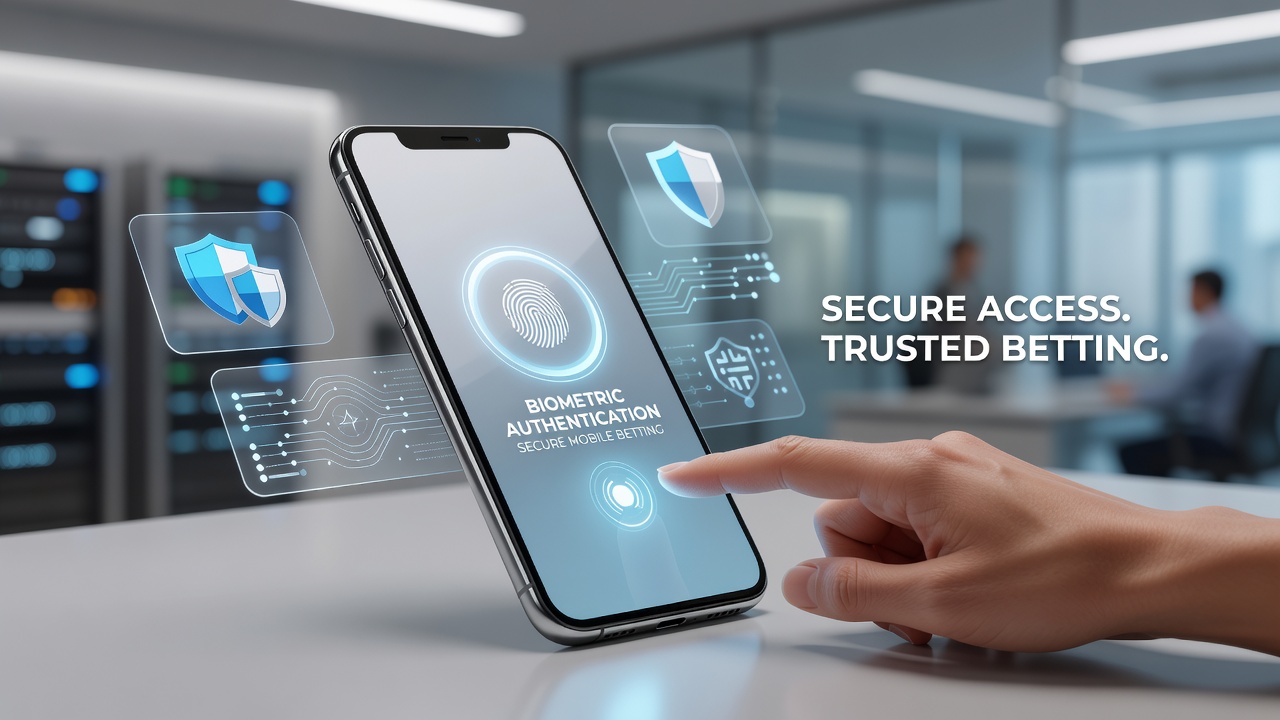
Biometric authentication has moved from optional add-on to core requirement in secure mobile betting applications, with developers incorporating fingerprint scanners, facial recognition systems, and voice analysis tools to verify user identity at multiple touchpoints. Data from regulatory filings shows that platforms adopting these methods in early 2026 reported measurable drops in account takeover attempts compared to those relying solely on passwords and SMS codes.
Core Technologies Driving Adoption
Modern mobile betting apps integrate several biometric modalities that work together rather than in isolation. Fingerprint sensors remain the most widespread because they require minimal processing power and deliver fast results on devices already equipped with the hardware. Facial recognition has gained ground since August 2026 updates to mobile operating systems improved liveness detection algorithms, reducing the success rate of static photo spoofing attempts. Voice biometrics appear in customer support flows where operators confirm high-value transactions without forcing users to navigate additional screens.
These systems operate through a combination of on-device processing and encrypted server-side matching. Developers store templates locally in secure enclaves while transmitting only anonymized verification tokens to central servers, which limits exposure if a device is compromised. Researchers at institutions studying gaming security have documented how this hybrid approach maintains compliance with data minimization rules enforced by multiple jurisdictions.
Regulatory Landscape and Compliance Requirements
State gaming boards and international oversight bodies have begun mandating biometric checkpoints for certain account actions. The New Jersey Division of Gaming Enforcement requires multi-factor verification including biometrics for withdrawals exceeding set thresholds, while similar rules appear in regulatory updates from Canadian provincial authorities. Industry reports indicate that operators who delayed implementation faced extended approval timelines for new app versions.
Standards organizations have published technical specifications that define acceptable error rates and fallback procedures when biometric matches fail. These guidelines emphasize that applications must offer alternative verification paths, such as knowledge-based questions or in-person verification at licensed locations, to accommodate users whose biometric data cannot be captured reliably.
Implementation Challenges and Technical Solutions
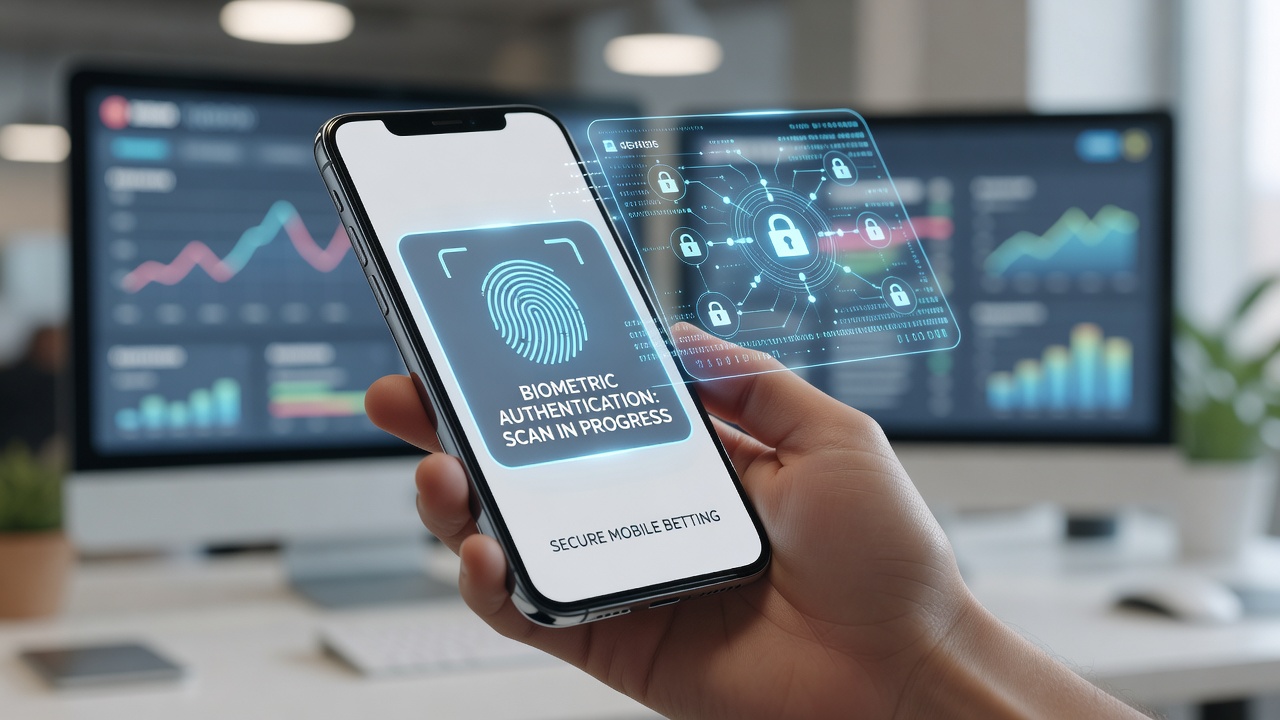
Device fragmentation creates ongoing difficulties because sensor quality varies across manufacturers and software versions. Teams address this by running calibration tests during initial app launch and adjusting matching thresholds dynamically based on device metadata. False rejection rates drop when applications collect multiple biometric samples during enrollment and cross-reference them against subsequent login attempts.
Privacy concerns have prompted some platforms to adopt decentralized storage models where raw biometric data never leaves the user's device. Encrypted comparison scores travel instead, and these scores expire after short windows. Observers note that such architectures align with emerging privacy legislation in several Australian states that limit centralized collection of sensitive identifiers.
Impact on User Experience and Fraud Reduction
Transaction completion times have shortened in applications that replaced manual entry of credentials with biometric prompts, according to aggregated performance metrics shared by platform operators. Users complete deposits and bet placements without typing lengthy passwords, which reduces abandonment during peak events. At the same time, fraud detection teams report faster identification of suspicious patterns because each authenticated session carries a higher confidence score tied to the biometric match.
Case studies from operators that deployed these systems in 2025 show consistent declines in chargeback volumes linked to unauthorized access. One documented rollout tracked a 40 percent reduction in disputed transactions within the first six months after rollout, while login success rates remained above 95 percent across tested devices.
Future Developments Expected by Late 2026
Hardware improvements in upcoming mobile chipsets will support additional modalities such as palm vein scanning and behavioral biometrics that analyze typing rhythms and device handling patterns. Developers are already testing these layered approaches in controlled beta programs, with plans for broader release once certification requirements finalize. Regulatory bodies continue to evaluate how these new signals can supplement existing verification frameworks without creating undue barriers for legitimate users.
Conclusion
The shift toward biometric authentication in mobile betting applications reflects coordinated efforts among technology providers, operators, and regulators to strengthen account security while preserving usability. Continued refinement of matching algorithms, combined with clearer compliance pathways, positions these systems to handle increasing transaction volumes through the remainder of 2026 and beyond. Platforms that maintain transparent data handling practices and offer robust fallback options stand to meet both user expectations and oversight requirements as adoption accelerates.