The Mechanics Behind Random Number Generator Certification in Digital Slot Platforms
Written by Xander Lang · May 18, 2026
The Mechanics Behind Random Number Generator Certification in Digital Slot Platforms
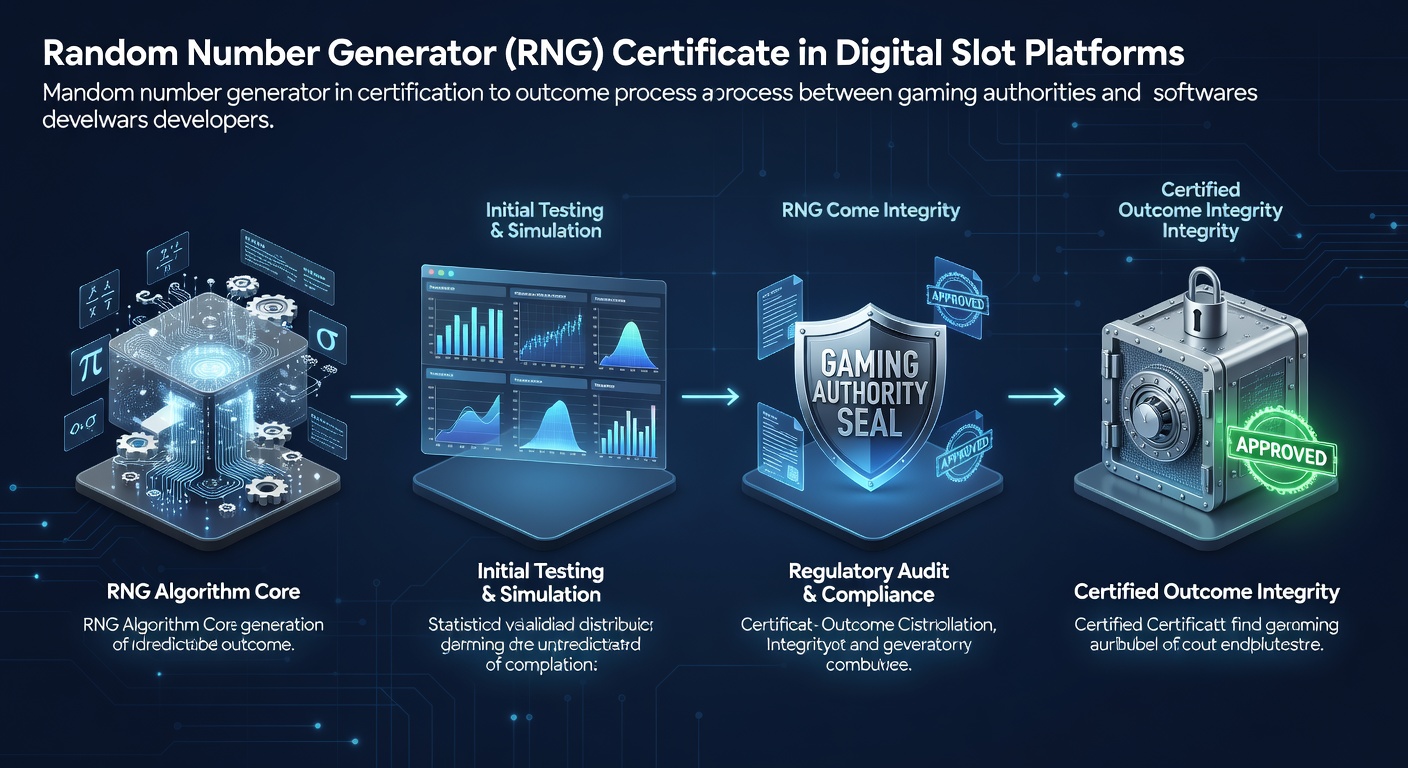
Digital slot platforms rely on random number generators to produce unpredictable outcomes for every spin and that process requires formal certification before any game reaches players. Gaming authorities and independent laboratories examine these systems through a series of defined tests that verify statistical fairness and resistance to manipulation.
Core Components of RNG Technology in Slots
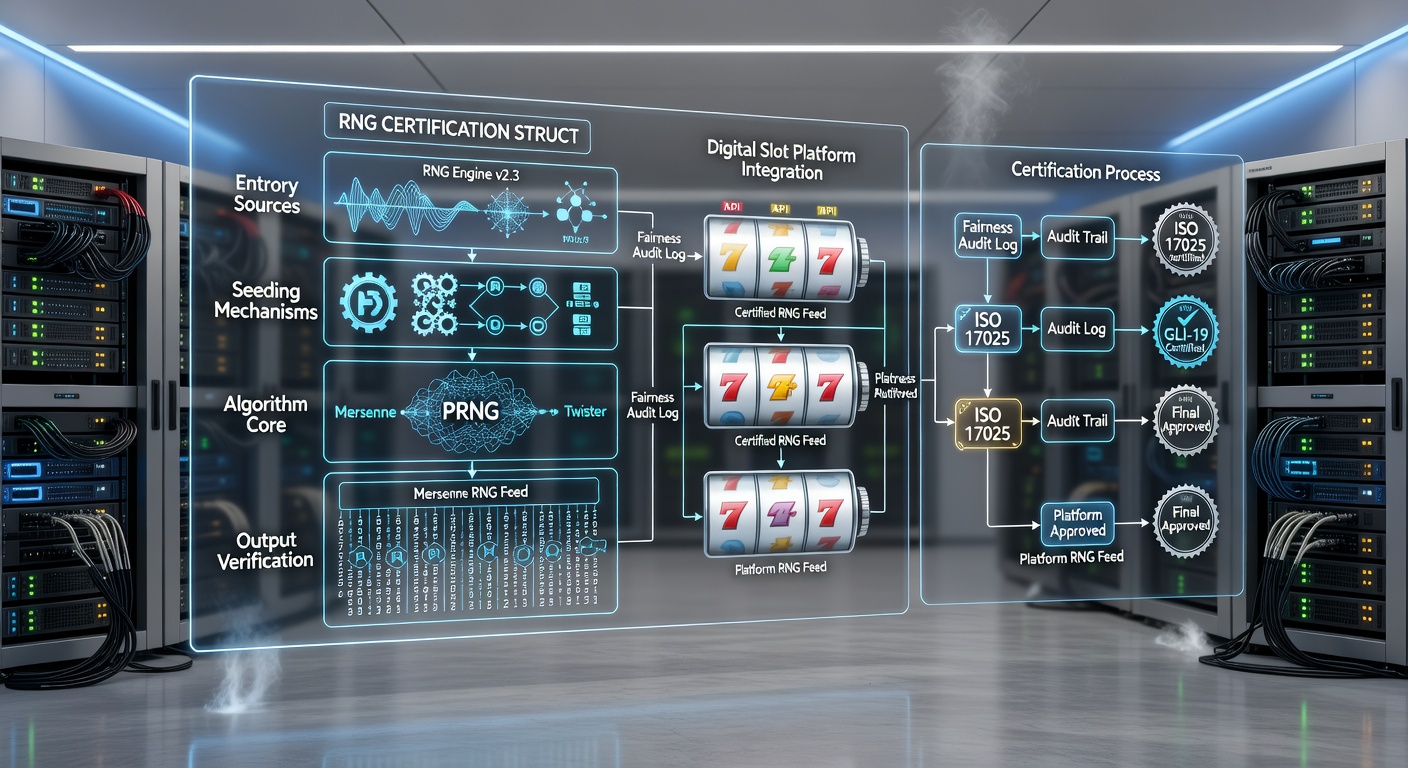
Modern slot games use deterministic algorithms known as pseudorandom number generators rather than true physical randomness. These algorithms start from an initial seed value and apply complex mathematical functions to create long sequences of numbers that appear random. Developers select approved algorithms such as Mersenne Twister or SHA-based variants and then implement them within the game software. Observers note that regulators require documentation of the exact algorithm version and seed generation method before testing begins.
Initial Submission and Laboratory Evaluation
Software developers submit complete source code along with technical specifications to accredited testing laboratories when seeking certification. Laboratories such as those recognized by multiple jurisdictions run extensive statistical batteries including diehard tests and chi-square analyses to confirm uniformity and independence of outcomes. They also examine the implementation for any backdoors or predictable patterns that could compromise integrity. This phase typically spans several weeks and produces detailed reports that gaming authorities later review.
Regulatory Oversight Across Jurisdictions
Gaming authorities in different regions maintain their own approval frameworks yet they often accept results from the same independent labs. In the United States the Nevada Gaming Control Board requires RNG evaluations that meet or exceed standards outlined in its technical regulations while Canadian provincial regulators apply comparable criteria through their own oversight bodies. Data from these agencies shows that certified systems undergo re-testing whenever game parameters change or after scheduled intervals. As of May 2026 several North American jurisdictions have begun requiring additional entropy audits for games that incorporate live data feeds or progressive jackpots.
Statistical Testing and Long-Term Verification
Testing protocols extend beyond basic randomness checks to include simulation of millions of spins and analysis of return-to-player percentages. Laboratories verify that payout distributions align with published figures and that no short-term bias exists that players could exploit. Researchers have documented cases where minor coding errors created detectable patterns and these findings led to stricter code review requirements. Certification remains valid only while the deployed software matches the tested version exactly.
Developer Responsibilities and Ongoing Compliance
Developers must maintain secure environments for RNG seed generation and protect against external interference through encryption and access controls. They also implement mechanisms that reseed the generator at regular intervals or upon specific triggers such as game resets. Industry reports indicate that companies which integrate continuous monitoring tools detect anomalies faster than those relying solely on periodic audits. When updates occur developers resubmit affected modules for fresh evaluation rather than assuming prior approval covers the changes.
Integration with Broader Platform Security
RNG certification forms one part of a larger compliance framework that includes server-side integrity checks and player-fund protection measures. Authorities coordinate with payment processors and network security specialists to ensure that certified RNG outputs cannot be altered during transmission or storage. Take one case where experts identified a vulnerability in a third-party library and required immediate remediation across all certified titles using that component. Such incidents reinforce the need for layered verification rather than reliance on any single safeguard.
Conclusion
The certification process for random number generators in digital slot platforms follows a repeatable sequence of submission, independent laboratory analysis, regulatory review, and continued monitoring. Gaming authorities and software developers each play defined roles that together preserve outcome integrity across global markets. As technology evolves and new jurisdictions enter the regulated space the same structured approach adapts to maintain consistent standards.