Virtual Reality Reshapes Traditional Table Games Across Betting Venues Worldwide
Written by Xander Lang · Jun 18, 2026
Virtual Reality Reshapes Traditional Table Games Across Betting Venues Worldwide
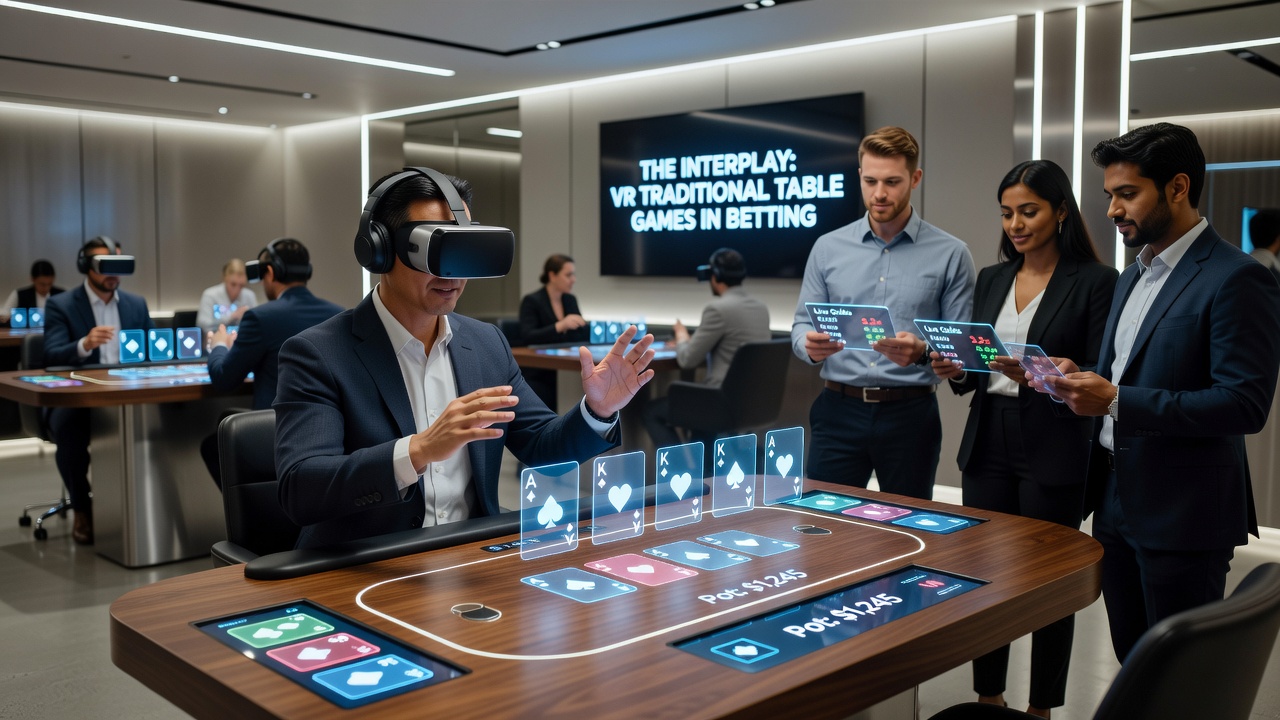
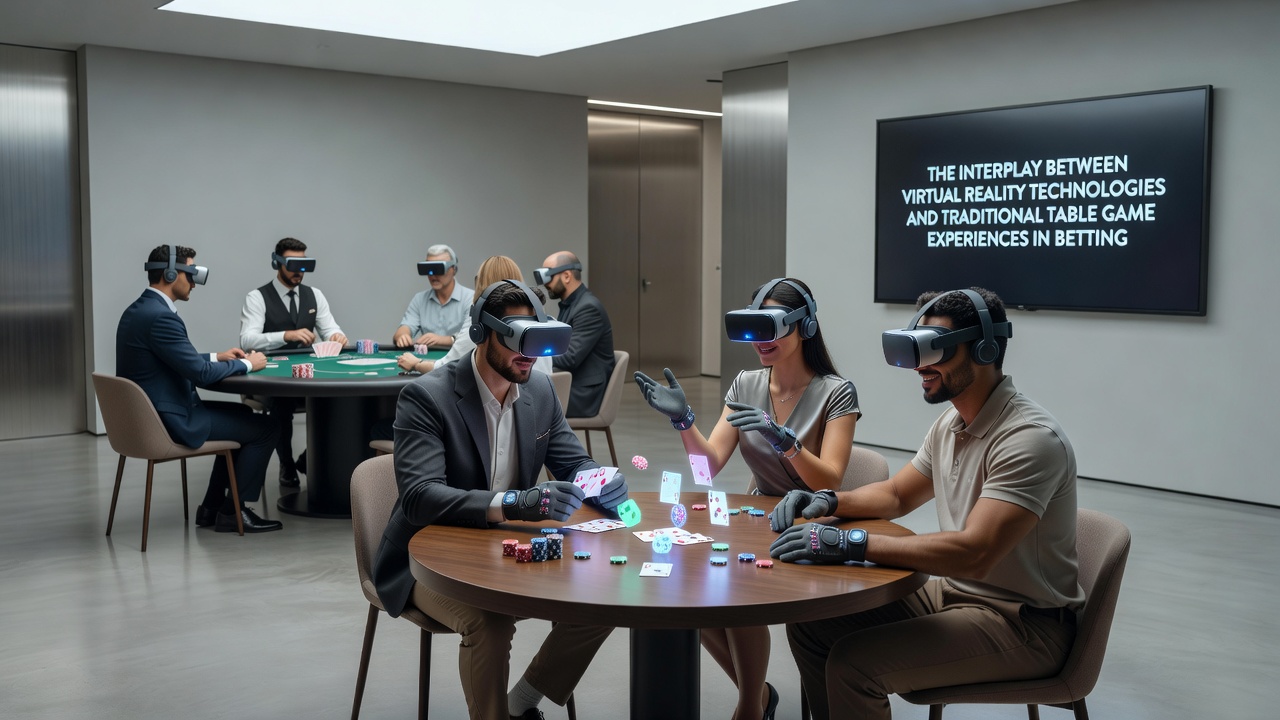
Virtual reality technologies have begun merging with established table game formats in betting environments, creating hybrid experiences that combine physical dealer interactions with digital overlays, and this development has accelerated through early 2026 as operators test new platforms in multiple jurisdictions. Research from industry reports shows that VR headsets now allow players to view real-time card dealing while seated in physical casino spaces, while simultaneously accessing layered statistics and simulations that traditional setups cannot provide.
Early Adoptions of VR Elements in Table Gaming
Operators started introducing VR components to table games like roulette and baccarat around 2023, yet full integration remained limited until testing expanded in 2025 across North American and Asian markets. Data from the New Jersey Division of Gaming Enforcement indicates that select venues reported increased session times when players used VR visors to overlay probability models onto live wheels, although core mechanics such as chip handling stayed rooted in physical protocols. Observers note that these additions preserve the tactile feedback of felt tables and dealer gestures while adding visual enhancements that reduce errors in tracking bets across crowded layouts.
Take one facility in Atlantic City that piloted VR-assisted poker tables in late 2025, where participants received holographic card representations visible only through headsets yet still interacted with actual decks and chips under dealer supervision. This approach maintained regulatory compliance because the underlying game remained a standard table offering, with VR serving solely as an informational aid rather than a replacement for live action.
Technical Mechanisms Driving the Integration
Hardware advancements center on lightweight headsets that sync with casino management systems through secure wireless connections, allowing real-time data feeds without disrupting table flow. Software platforms map physical table surfaces into virtual environments so that players see familiar layouts augmented by dynamic odds displays, and these systems rely on motion tracking to ensure gestures align precisely with on-table movements. Studies conducted at the University of Nevada, Las Vegas have documented how latency reductions below 20 milliseconds enable seamless transitions between physical card flips and their virtual counterparts, minimizing disorientation during extended play sessions.
Multiple manufacturers have certified their RNG components for hybrid use, meaning the digital elements draw from the same certified algorithms that govern standalone electronic tables. And this certification process involves third-party audits that verify both physical randomness sources and virtual renderings match established standards across jurisdictions.
Regulatory Responses and June 2026 Developments
Regulatory bodies have responded by issuing updated guidelines that treat VR overlays as extensions of existing table game approvals rather than new game categories. In June 2026 several operators plan to launch expanded VR table trials in Nevada and Illinois following preliminary reviews that confirmed no alteration to house edge calculations or player fund protections. The Nevada Gaming Control Board has scheduled compliance workshops for that month to address synchronization standards between physical dealers and virtual interfaces, ensuring audit trails capture both realms of activity.
Canadian regulators through the Alcohol and Gaming Commission of Ontario have similarly examined pilot data from cross-border partnerships, focusing on responsible gaming features such as session timers that appear within VR views yet apply equally to non-VR participants at the same table. These frameworks emphasize that the core betting transaction occurs at the physical table, which keeps licensing pathways straightforward while allowing technological experimentation.
Player Experience Patterns Observed in Hybrid Settings
Participants in early hybrid environments report sustained engagement with traditional social elements like dealer conversations and chip stacking, even as VR provides private strategy tools. Figures from venue analytics reveal that average bet sizes remain consistent wth pre-VR baselines, suggesting the technology supplements rather than transforms core decision patterns. Those who've studied behavioral logs note that players toggle VR features on and off during sessions, often reserving overlays for complex side bets or multi-hand scenarios where visual clarity adds value.
Training modules built into some systems allow new players to rehearse basic strategies through VR simulations before joining live tables, and this onboarding method has shown measurable reductions in common errors according to internal operator metrics shared with academic partners. The interplay therefore functions as both an accessibility aid and a performance enhancer without displacing the communal atmosphere that defines table gaming.
Conclusion
The documented trajectory through mid-2026 points toward continued refinement of VR-assisted table environments where physical integrity and digital augmentation coexist under unified regulatory oversight. Data from multiple jurisdictions demonstrates that these integrations expand informational access while preserving the established rules and social dynamics of traditional offerings, and further pilots scheduled for later in the year will likely clarify scalability across larger betting floors.