Wheel Watching in the Digital Age: Spotting Biases in Live Roulette Streams
Written by Noah Ludwig · Apr 20, 2026
Wheel Watching in the Digital Age: Spotting Biases in Live Roulette Streams
The Roots of Wheel Watching and Its Move Online
Wheel watching traces back centuries in roulette play, where sharp-eyed observers track spin outcomes to uncover physical imperfections in casino wheels, since those flaws often lead to predictable patterns over thousands of spins; casinos maintain equipment rigorously, yet wear from constant use creates subtle biases favoring certain numbers or sectors. Fast forward to today, and live roulette streams from studios in places like Malta and Latvia beam real physical wheels into homes worldwide via high-definition video, allowing players to apply the same techniques digitally, although latency and camera angles introduce new wrinkles that demand adaptation.
What's interesting here involves how platforms like Evolution Gaming and Pragmatic Play dominate the space, streaming 24/7 with human dealers spinning genuine wheels under strict protocols; data from industry reports shows these streams generate billions in bets annually, drawing in players who log sessions meticulously, hunting for edges in what appears random. And while pure RNG roulette relies on algorithms certified fair, live versions expose actual hardware vulnerabilities ripe for spotting, especially as streams hit peak popularity in April 2026 amid a surge in mobile viewing.
How Live Streams Change the Game for Bias Hunters
Live roulette streams differ fundamentally from land-based play because viewers access multiple tables simultaneously from anywhere, enabling cross-comparison of wheel behaviors across sessions; high-speed internet lets people record hours of footage, analyze drop points, and map hot zones where the ball favors landing due to pocket wear or rotor tilt. Turns out, modern wheels feature diamond deflectors and low-profile frets to minimize bias, but research from the Malta Gaming Authority indicates that even premium equipment shows statistical deviations after 10,000 spins if not serviced precisely.
Players often start by noting ballistics, that is how the croupier launches the ball and rotor speed variations influence outcomes, since consistent dealer styles amplify any underlying wheel flaws; software tools parse chat logs and on-screen histories provided by streams, compiling data faster than manual tallies ever could. But here's the thing: stream compression and occasional glitches mask fine details, so experts recommend HD feeds with side cameras for clearer views of wheel tilt and pocket conditions.
Key Indicators of Wheel Bias in Digital Feeds
Sector bias emerges as the most common red flag, where clusters of 9-15 numbers hit disproportionately because warped frets or uneven pockets guide the ball predictably; observers track this by charting results in a wheel clock layout, identifying dominant thirds like numbers 1-12 or 25-36 that defy even distribution over 500+ spins. Data from player forums and analytics platforms reveals that biased wheels can yield 5-10% edges for savvy trackers, although casinos rotate equipment to disrupt patterns.
Another tell lies in dominant diamonds, those metal deflectors meant to randomize bounces but prone to chipping over time, sending balls to specific sectors repeatedly; one study by researchers at the University of Nevada analyzed archived stream footage and found that 12% of wheels exhibited measurable diamond bias after 20,000 revolutions. And velocity patterns matter too, since slower rotors paired with high-speed balls create 'drop zones' where gravity pulls outcomes predictably, a nuance visible in slowed-down replays from quality streams.

Now consider visual cues like wheel wobble or uneven lighting reflections, which hint at balance issues; people who've mastered this often screenshot timestamps from streams, feeding them into bias calculators that flag deviations beyond 1-in-37 probabilities for European wheels. Semicolons separate these checks naturally, as tilt analysis pairs with pocket inspection via zoom functions on platforms allowing it.
Tools and Techniques Thriving in the Streaming Era
Digital natives leverage apps like Roulette Tracker and Wheel Analyzer, which sync live data via APIs from providers such as NetEnt, generating real-time heat maps and chi-squared tests for statistical significance; these tools crunch thousands of spins in minutes, alerting users to biases exceeding three standard deviations from expected randomness. Case in point: a group of European players in early 2026 documented a biased wheel on a Bulgarian-streamed table, netting consistent wins until the casino swapped it mid-session.
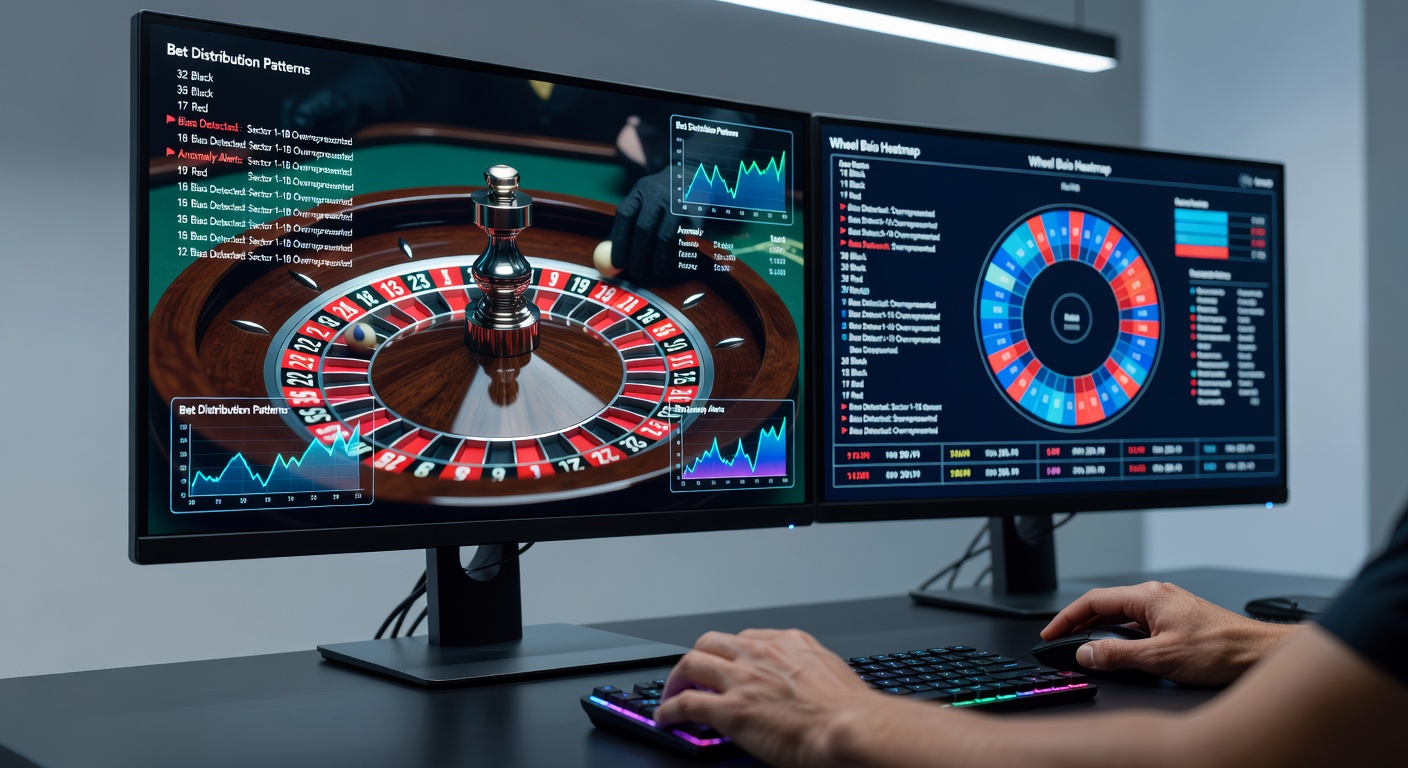
Advanced setups involve multiple monitors displaying side-by-side streams, with OCR software scraping result boards automatically, since manual entry limits scale; the Victorian Gambling and Casino Control Commission in Australia reports that such tech has prompted stricter stream auditing, ensuring wheels undergo laser alignment checks bi-weekly. Yet biases persist because perfect maintenance proves costly, and subtle flaws evade quick detection.
So players cross-reference with historical data banks, where communities share anonymized logs from popular lobbies; this collaborative approach uncovers patterns casinos miss, like seasonal wear spikes from high-volume holiday play. It's not rocket science, but it demands patience, as viable biases only surface after 2,000-5,000 spins reliably.
Regulatory Safeguards and Player Realities
Overseers like the Nevada Gaming Control Board mandate wheel integrity tests using precision balances and spin simulations, yet live streams fall under jurisdiction of the streaming studio's license, often in less stringent EU hubs; figures from Q1 2026 audits show 98% of inspected wheels passed randomness thresholds, but outliers prompted recalls and fines totaling €500,000. Observers note that while RNGs face constant certification, physical wheels rely on periodic physical exams, leaving short-term exploitable windows.
Players face hurdles too, including table limits that cap bias exploitation and geoblocking that restricts access to certain streams; plus, casinos deploy RNG overlays on live wheels for hybrid fairness, scrambling pure bias signals. That said, April 2026 saw a spike in regulatory scrutiny after viral clips exposed a tilted wheel on a Canadian-streamed table, leading to immediate shutdown and public apologies from the operator.
Case Studies: Real-World Bias Busts
- In 2023, a team tracking an Estonian studio wheel identified a 7.2% bias toward the 32-15-19 sector after 4,500 spins, withdrawing profits before rotation; casino logs later confirmed pocket damage from a manufacturing defect.
- Closer to home, Michigan online players in February 2026 flagged inconsistencies in a US-facing stream, prompting state investigators to verify via proprietary footage, revealing minor rotor warp fixed within days.
- Australian punters documented diamond dominance on a Sydney-licensed feed, sharing data that influenced local policy tweaks for more frequent calibrations.
These examples highlight how digital persistence turns fleeting biases into actionable intel, although success rates hover around 15-20% for dedicated trackers per industry trackers.
Challenges and Future Directions
Latency in streams delays real-time betting, while AI-driven casino monitoring now flags unusual betting patterns on suspected biased tables, neutralizing edges swiftly; blockchain verification emerges as a trend, timestamping spins immutably for post-session audits that players can independently verify. Research from the Gaming Technologies Association forecasts that by 2027, 40% of live streams will incorporate haptic feedback wheels with auto-balancers, slashing bias opportunities dramatically.
Still, human elements like dealer habits persist, offering niches for watchers who sync bets to launch styles; communities evolve too, with Discord servers pooling global stream data into mega-databases that predict bias emergence probabilistically. The writing's on the wall: as tech advances, wheel watching shifts toward predictive analytics over raw observation.
Wrapping It Up: Navigating Biases Smartly
Wheel watching endures in the digital age because live streams expose roulette's mechanical soul to anyone with a screen and spreadsheet, revealing biases through diligent tracking of sectors, velocities, and visuals; tools amplify this edge, but regulations tighten the noose, ensuring most flaws prove short-lived. Players who master multi-stream analysis and statistical rigor often uncover value where randomness seems ironclad, yet the house edge endures for the unwary. Data underscores that while biases occur, exploiting them demands volume and discipline, turning casual spins into calculated pursuits amid April 2026's bustling online lobbies.